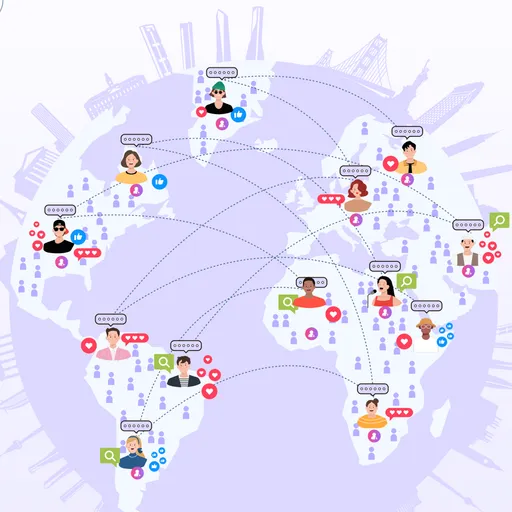
§ 03.01 · Agent
OASIS: Open Agent Social Interaction Simulations with One Million Agents
The most popular social simulation framework. 4.4k github star. The first large-scale agents society simulator and AI social scientist framework.
An agent harness designed for how science actually happens — literature, lab, and long horizons.
Generic agent frameworks (LangChain, AutoGen, CrewAI, vendor SDKs) are chatbot-native: their primitives assume a user, a tool list, and a chat loop. Scientific Agents — a harness whose primitives are lab and literature native — arXiv / Zotero / BioRxiv / PubMed / DVC / Snakemake / HPC queues / Jupyter / lab-notebook memory. We don’t modify your model; we wrap any model and turn it into a scientific agent.
The most popular social simulation framework. 4.4k github star. The first large-scale agents society simulator and AI social scientist framework.
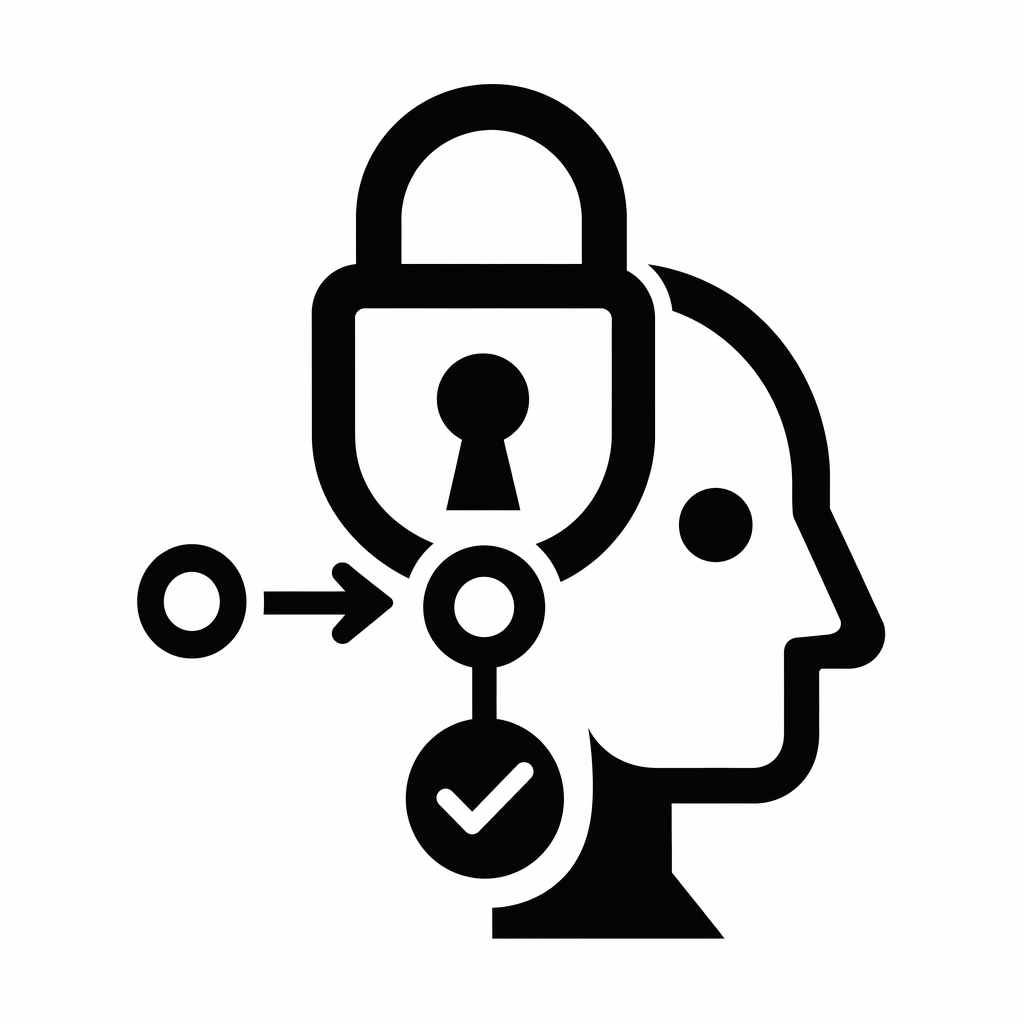
SUDP (Secret-Use Delegation Protocol) is a protocol for agentic systems that lets AI agents perform secret-backed operations without ever holding the underlying secret itself: instead of putting reusable credentials like API keys or OAuth tokens inside the agent runtime, it keeps secret ownership with the user and delegates only narrowly scoped, single-use, transaction-bound authorization for a specific action, recipient, and validity window. In practice, it works through three phases—setup, authorization grant, and consumption—so an agent can request an operation, the user can approve that exact operation with an authenticator-backed gesture, and the system can execute it without exposing the raw credential to the agent, making credential use more auditable and more resistant to leakage, replay, and misuse.

Multi-agent self-evolving framework.
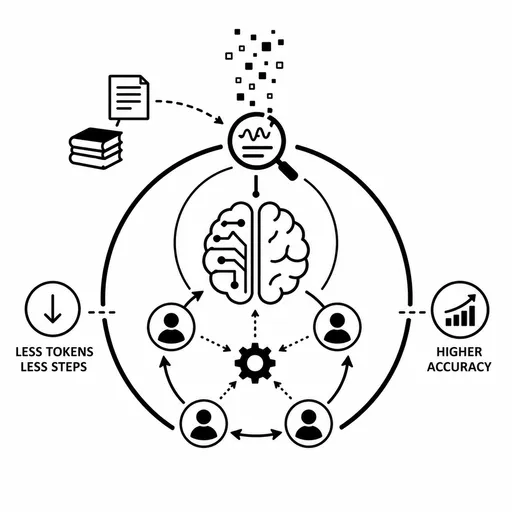
This work introduces a unified scientific reasoning framework that combines token-level implicit retrieval with structured multi-agent refinement to improve accuracy while substantially reducing token usage and interaction steps.